Test-Time Compute: The Next Frontier in Enterprise AI


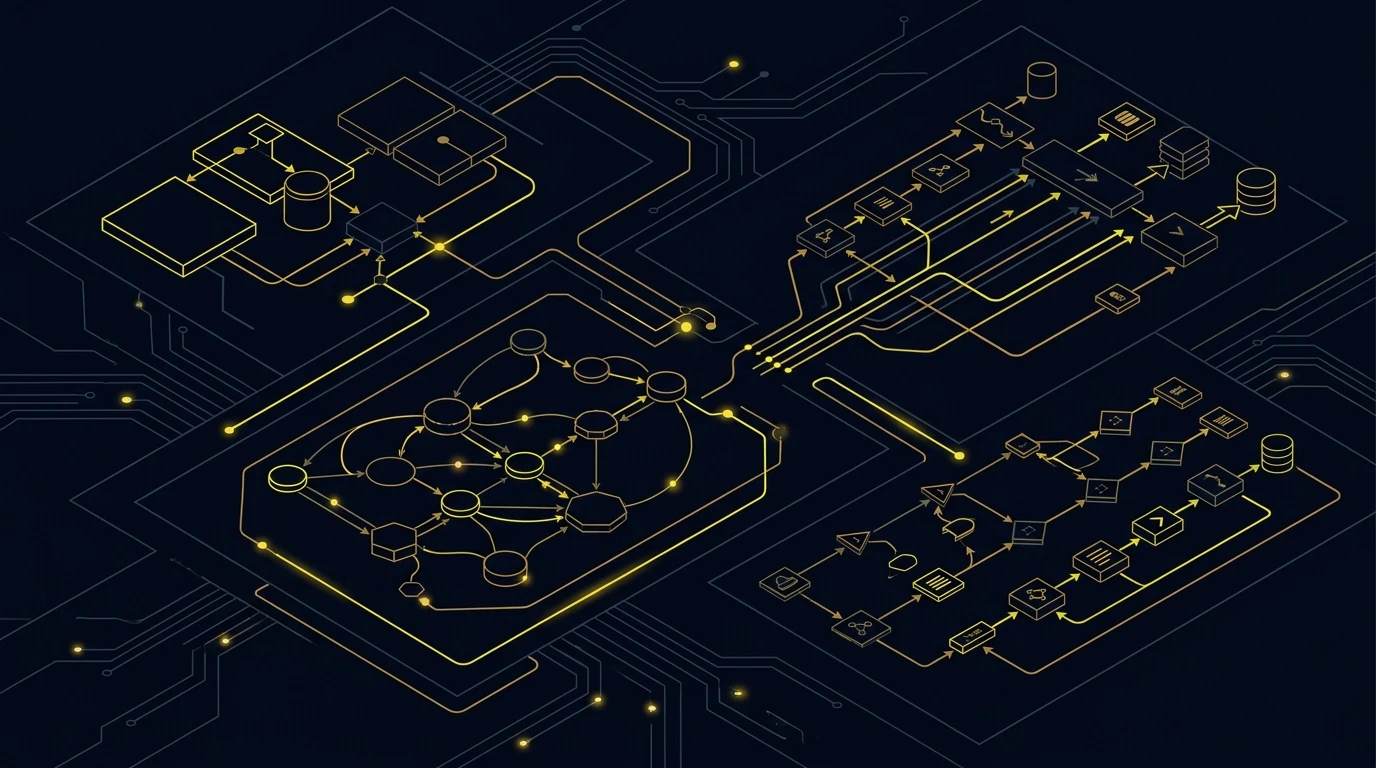
The era of scaling enterprise AI purely through brute-force model pre-training has officially reached diminishing returns. In 2026, tech leaders are pivoting toward a fundamental breakthrough: Test-Time Compute (also known as adaptive inference scaling), where models dynamically allocate computation during inference to solve complex reasoning challenges.
Instead of relying solely on static, pre-trained parameters, AI models can now “think” longer—running intermediate verification loops, multi-path tree searches, and self-correction steps before outputting a response.
Key Takeaways
- The Runtime Shift: Intelligence is moving from fixed pre-training weights to on-demand runtime reasoning during inference.
- Metered Intelligence: Enterprise AI budgets are reallocating from upfront model training to dynamic, query-level compute allocation.
- Agentic Synergies: Autonomous agent swarms leverage test-time compute to handle multi-step planning without requiring colossal base models.
- Cost Governance: Unbounded inference reasoning can lead to runaway API expenses if runtime compute capping is not actively managed.
Moving Beyond Static Parameter Pre-Training
For years, the playbook for AI capability was simple: train a larger model on more data. However, as frontier pre-training costs reached hundreds of millions of dollars, the ratio of performance gain to capital expenditure deteriorated.
Enter test-time compute. By allowing a model extra compute seconds to explore solution spaces during execution, a medium-sized foundation model can rival or exceed the performance of a massive static model.
This shift mirrors human cognition. Quick, intuitive answers work for simple triage, but strategic decisions require dedicated contemplation and review. For enterprise applications, this means you no longer pay a fixed latency and cost per token; compute cost scales dynamically with task difficulty.
The Paradigm Shift: Prepaid vs. Metered Intelligence
Traditionally, purchasing access to a model meant paying for fixed-latency completions. In contrast, 2026 enterprise architectures treat compute as a metered utility tied directly to task complexity.
“By allowing adaptive reasoning loops at inference time, enterprise systems achieve up to a 10x reduction in task failure rates for complex workflows.” — Gartner Research (2026 Enterprise AI Outlook)
For routine tasks like email summaries, low-compute fast passes remain optimal. But when an enterprise agent handles financial auditing or legal compliance, the system triggers high-compute reasoning chains. This paradigm builds directly on the insights from Reasoning-First AI and Its Business Implications, moving enterprise operations from simple conversational bots to deeply analytical engines.
Synergies with Autonomous Agent Swarms
Test-time compute is proving to be the missing engine for enterprise autonomous workflows. When multi-agent systems interact, failure in step one compounds across downstream agents.
By incorporating inference-time verification—such as execution testing, formal logic validation, and self-critique—agents identify errors early in their thought process. According to analysis by Frontier Enterprise, global AI compute spending on inference has officially surpassed training compute for the first time in 2026.
This evolution pairs closely with the infrastructure shifts detailed in The AgentOps Revolution of 2026, where observability tools track not just token counts, but reasoning depth and verification cycles across production agent fleets.
Economic Realities and Cost Governance
While test-time compute unlocks unprecedented accuracy, it introduces a fresh operational challenge: unpredictable cost variance. A prompt that takes 1,000 tokens on a simple task might consume 50,000 tokens when executing a complex tree-of-thought search.
Without strict governance, automated reasoning can quickly create cost spikes. Leading organizations are implementing:
- Dynamic Compute Budgeting: Setting hard token caps per request based on user authorization levels and task priority.
- Early-Stopping Heuristics: Halting reasoning branches when consensus confidence crosses pre-set statistical thresholds.
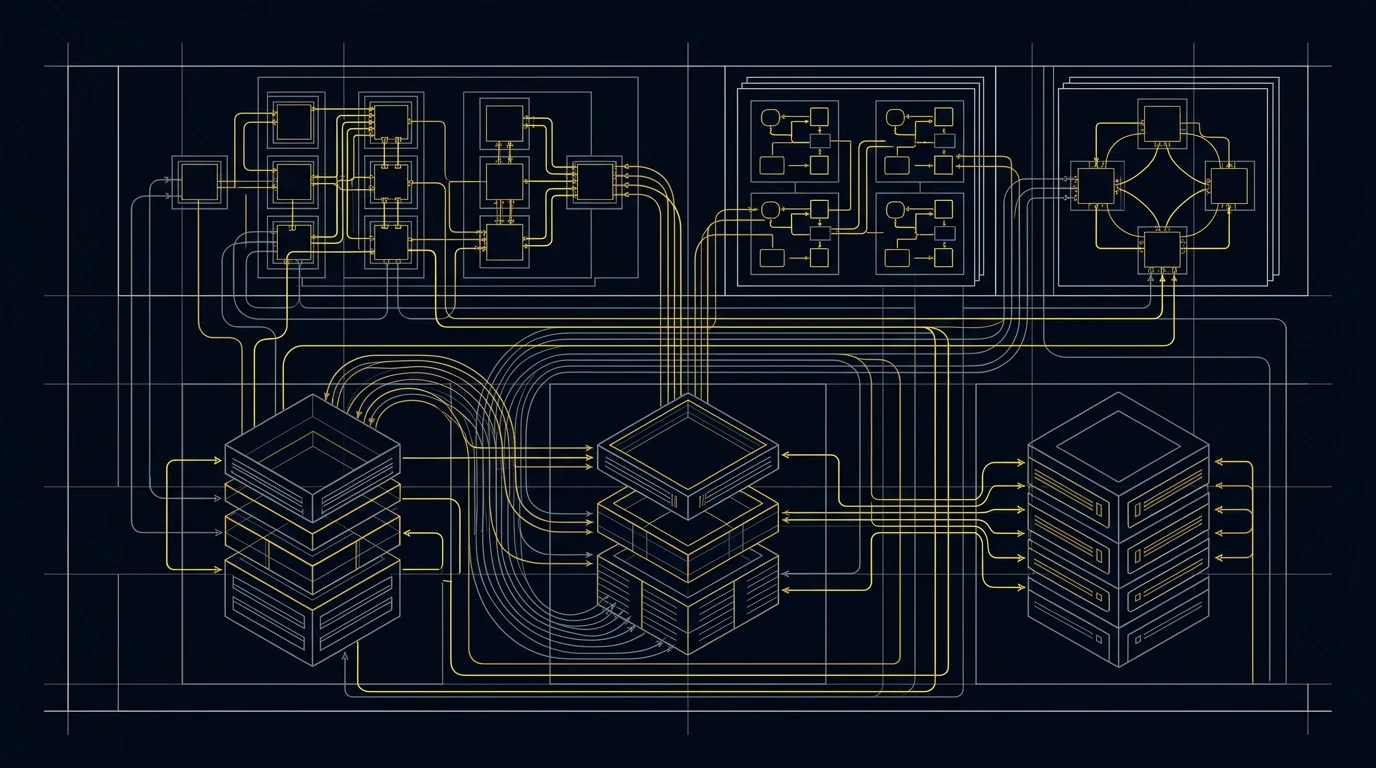
- Hybrid Architecture Routing: Offloading routine passes to lightweight open-weight models as highlighted in the AI Cost Revolution and Open-Source Breakthroughs, while reserving deep test-time compute for critical edge cases.
Final Thoughts
The defining question for enterprise AI strategy in 2026 is no longer “Which foundation model did you select?” but rather “How effectively do you manage inference compute at runtime?”
Organizations that master test-time compute governance will achieve superior accuracy at a fraction of the cost required by brute-force model scaling.
Ready to optimize your enterprise AI compute footprint? Evaluate your agentic workloads and establish clear inference-budgeting rules before deploying long-horizon reasoning agents into production.